Easiest Language to Learn for Kids: A Parent's Guide
The Language Research Desk
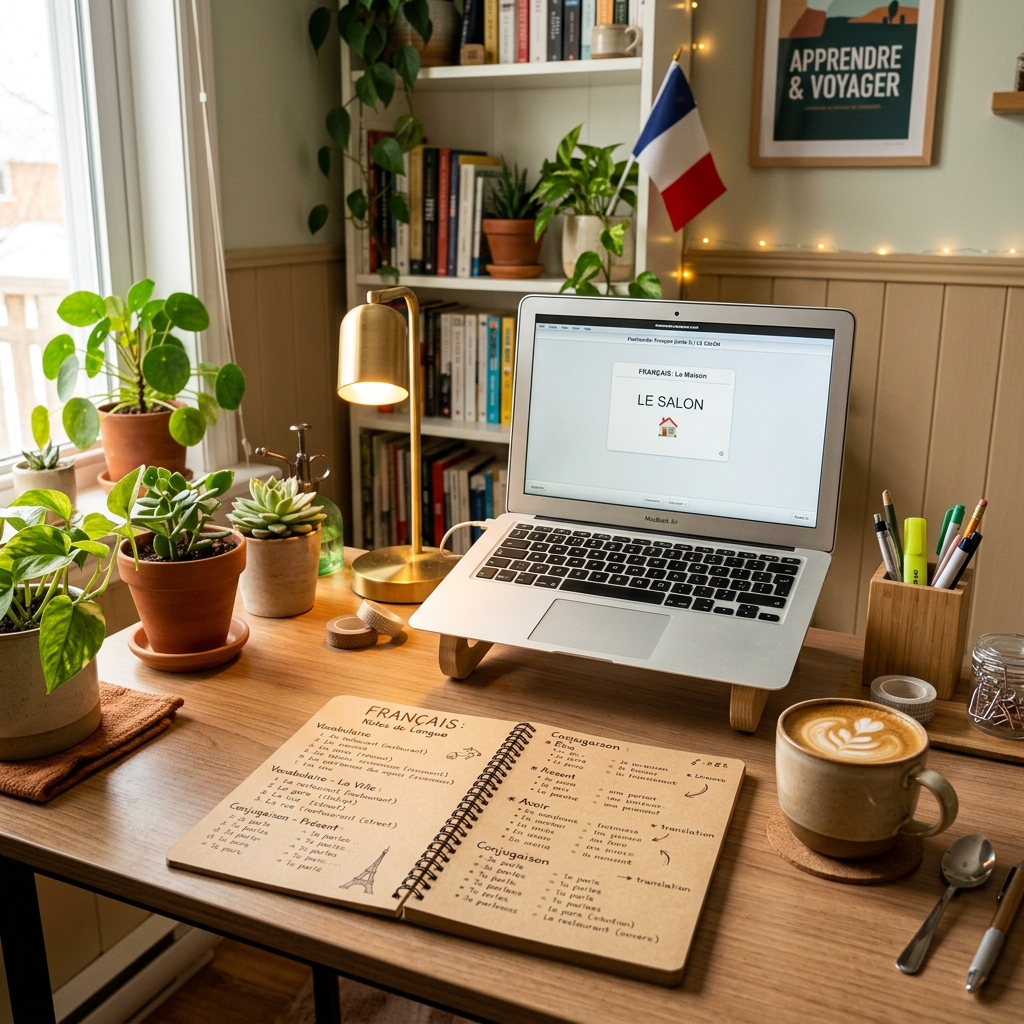
Teaching your child a second language is one of the most valuable gifts you can give them. Children’s brains are naturally wired for language acquisition, and the languages that are easiest for English-speaking adults are often even easier for kids. But the approach matters --- what works for adults rarely works for children.
This guide covers which languages are best for English-speaking kids, age-appropriate methods, realistic expectations, and practical resources.
Best Languages for English-Speaking Kids
1. Spanish --- The Best Choice for Most American Families
Why it is ideal for kids:
- More child-friendly learning resources than any other language (apps, shows, songs, books)
- Widely taught in US schools, so formal instruction is often available
- Phonetic pronunciation means kids can sound things out easily
- Immediate practical use in many US communities
- Cultural exposure through food, music, and celebrations
Resources for kids:
- Duolingo (age 7+)
- Dora the Explorer, Sesame Street bilingual episodes (age 2-6)
- Canticos bilingual books and songs (babies and toddlers)
- Spanish-language children’s books at public libraries
- Check our best books to learn Spanish for family-friendly options
2. French --- Strong for School-Age Children
Why it is good for kids:
- The second most commonly taught language in schools worldwide
- Strong children’s literature tradition
- Dual-language (English-French) immersion programs exist in many cities
- Vocabulary overlap with English helps school-age children who are building their English vocabulary simultaneously
Resources for kids:
- French children’s songs (Comptines et Chansons on YouTube)
- Petit Ours Brun, Caillou (French children’s shows)
- Bayard Presse children’s magazines (J’aime Lire)
3. Italian --- Fun and Phonetic
Why kids enjoy it:
- Highly phonetic --- easy for children to read aloud
- Musical quality that children respond to
- Food vocabulary is immediately fun and practical (pizza, gelato, spaghetti)
- Italian songs and counting games are engaging
4. Norwegian or Dutch --- Fastest Results for Older Kids
Why they work for kids 8+:
- Vocabulary similarity to English means faster comprehension
- Simpler grammar systems reward effort quickly
- Good Duolingo courses make self-directed learning possible
- Reading ability develops quickly due to word overlap
Language Learning by Age Group
Babies and Toddlers (0-3 Years)
What works: Exposure, not instruction. Babies absorb phonetic patterns from hearing language. The goal at this age is not vocabulary or grammar but phonetic awareness --- the ability to distinguish and produce sounds in the target language.
Practical approaches:
- Sing songs and nursery rhymes in the target language
- Play music in the background during playtime
- Read simple picture books aloud
- If possible, regular interaction with a native speaker (family member, nanny, playgroup)
- Bilingual board books with large pictures
Realistic expectations: Babies will not “speak” the language from this exposure alone. They are building the phonetic foundation that makes later learning dramatically easier. This early exposure is valuable even if it is modest.
Preschoolers (3-5 Years)
What works: Play-based learning, songs, stories, and routines. Children this age learn language through meaningful, engaging interaction --- not worksheets or grammar rules.
Practical approaches:
- Designate specific times for the target language (e.g., Spanish songs at dinner prep)
- Simple vocabulary through real-world context (counting objects, naming colors, food words)
- Children’s shows in the target language (Peppa Pig is available in many languages)
- Playgroups or playmates who speak the language
- Language-learning apps designed for pre-readers (Gus on the Go, Lingokids)
Realistic expectations: Children at this age can learn 200-500 words and simple phrases. They will not hold conversations, but they will build vocabulary and phonetic accuracy that accelerates later learning.
Early Elementary (5-8 Years)
What works: A combination of structured and unstructured exposure. Children this age can begin learning basic reading and writing in the target language alongside English.
Practical approaches:
- After-school language classes or Saturday language schools
- Duolingo or similar apps (10-15 minutes daily)
- Chapter books with bilingual text
- Movies and shows in the target language with subtitles
- Cooking together using recipes in the target language (measuring = math + language)
- Pen pals or video calls with same-age children in other countries
Realistic expectations: With consistent daily exposure, children can reach basic conversational ability in a Category I language within 1-2 years. They will make grammar mistakes freely and not care --- which is exactly the right approach.
Older Elementary and Middle School (8-13 Years)
What works: More structured learning becomes effective. Children this age can handle grammar explanations, vocabulary lists, and reading practice. They can also use technology-based tools effectively.
Practical approaches:
- Formal language classes (school or private)
- Structured apps for daily practice (20-30 minutes)
- Graded readers in the target language
- YouTube channels in the target language aligned with their interests (gaming, science, crafts)
- Language exchange with same-age partners through school programs
- Music lyrics translation (kids love looking up lyrics in another language)
- Language learning tools and resources
Realistic expectations: Motivated children this age can reach comfortable conversational ability in a Category I language within 1-2 years. They learn grammar faster than younger children and can self-direct their learning more.
What the Research Says About Kids and Languages
The Critical Period Advantage
Children before age 7 have a well-documented advantage in acquiring native-like pronunciation and intuitive grammar. This is due to neural plasticity --- the brain’s ability to form new connections --- which is highest in early childhood. After puberty, this plasticity declines gradually but does not disappear.
What this means practically: If native-like accent is a priority, earlier exposure is better. If the goal is communication and bilingual ability, any starting age works.
Bilingualism Does Not Cause Confusion
This is the most important myth to address. Decades of research consistently show:
- Bilingual children reach the same language milestones as monolingual children
- Code-switching (mixing languages in a sentence) is normal and indicates linguistic sophistication, not confusion
- Bilingual children show enhanced executive function (the ability to focus, switch between tasks, and filter irrelevant information)
- Bilingual children often develop stronger metalinguistic awareness (understanding how language works in general)
Consistency Matters More Than Intensity
Studies on bilingual children consistently find that regular, consistent exposure produces better outcomes than occasional intensive exposure. A child who hears and uses the target language for 20 minutes daily will outperform one who attends a weekly 2-hour class.
Common Parenting Questions
”I Do Not Speak the Target Language. Can My Child Still Learn?”
Yes, though the learning will be different. Children with a fluent parent or caregiver have the strongest outcomes, but children can learn through classes, apps, media, and community interaction without a bilingual parent. Your role shifts from language model to learning facilitator: providing resources, maintaining consistency, and showing enthusiasm.
”How Do I Keep My Child Motivated?”
- Connect language to their interests (if they love soccer, find Spanish soccer commentary)
- Make it social (language classes with friends, pen pals, cultural events)
- Celebrate progress without pressure
- Travel to a place where the language is spoken (even short trips are powerful motivators)
- Avoid making it feel like homework
”Should My Child Learn the Same Language as Their School Offers?”
Generally yes, if the school instruction is quality. Reinforcing school language learning at home accelerates progress. However, if the school language instruction is limited (30 minutes per week), your at-home efforts matter more than school alignment.
”My Child Wants to Quit. What Should I Do?”
Language learning plateaus are normal and discouraging. Try changing the method before giving up the language: switch from an app to a show, from a class to a tutor, from study to cooking recipes in the target language. A break of a few weeks is okay too. Forced, joyless study is counterproductive.
The Bottom Line
Children have genuine biological advantages in language learning, but those advantages work best when combined with consistent, enjoyable exposure. The best language for your child is one with abundant kid-friendly resources, ideally some community presence, and a connection to something your child cares about.
Spanish wins for most American families due to resource availability and practical utility. But a child fascinated by Italian cooking, French comics, or Norwegian folk tales will learn that language with more enthusiasm than a “more practical” choice they find boring.
For broader language difficulty comparisons, see our 10 easiest languages for English speakers or explore specific guides for Spanish, French, and Italian.
Frequently Asked Questions
What is the best age for a child to start learning a second language? ▼
Children can benefit from language exposure at any age. Research shows that children under 7 have the strongest ability to acquire native-like pronunciation and intuitive grammar. However, children of any age learn languages effectively, and starting at 8, 10, or even 12 still offers significant advantages over starting as an adult. The best time is whenever you can commit to consistent exposure.
How much time per day should a child spend on language learning? ▼
For younger children (3-7), 15-20 minutes of structured activity plus casual exposure through songs, shows, and games is ideal. For school-age children (8-12), 20-30 minutes of focused study plus media exposure works well. Consistency matters far more than duration --- daily 15-minute sessions produce better results than weekly hour-long sessions.
Is Duolingo good for kids? ▼
Duolingo offers a kid-specific app (Duolingo ABC for early readers, Duolingo for older kids) that gamifies language learning effectively. It builds vocabulary and basic grammar but should be supplemented with speaking practice, songs, shows, and ideally interaction with native speakers. It is a good starting tool, not a complete solution.
Can a child learn a language just from watching shows? ▼
Passive screen exposure alone produces very limited language learning in children. Research by Patricia Kuhl at the University of Washington found that babies learned phonetic distinctions from live human interaction but not from the same content delivered via video. For older children, interactive engagement with media (pausing, repeating, discussing) is much more effective than passive watching.
Will learning a second language confuse my child or delay their English? ▼
No. This is one of the most persistent myths in language learning. Decades of research show that bilingual children are not confused by two languages. They may mix languages temporarily (code-switching), which is a sign of linguistic flexibility, not confusion. Bilingual children reach the same English milestones as monolingual peers and often show advantages in executive function, problem-solving, and cognitive flexibility.
We research and compile information about language learning from linguistic studies, FSI data, and language learning communities.
Related reading
Learning TipsEasiest Language to Learn After 40: It's Not Too Late
Think you are too old to learn a language? Research says otherwise. Here are the best languages and strategies for adult learners over 40.
 Comparisons
Easiest Language to Learn for Business and Career Growth
Which easy-to-learn languages offer the best career ROI? We rank languages by business utility, job demand, and learning difficulty.
 Language Rankings
What Is the Easiest Language to Learn for English Speakers?
Discover the 10 easiest languages for English speakers ranked by FSI data, grammar complexity, and learner experience. Updated for 2026.